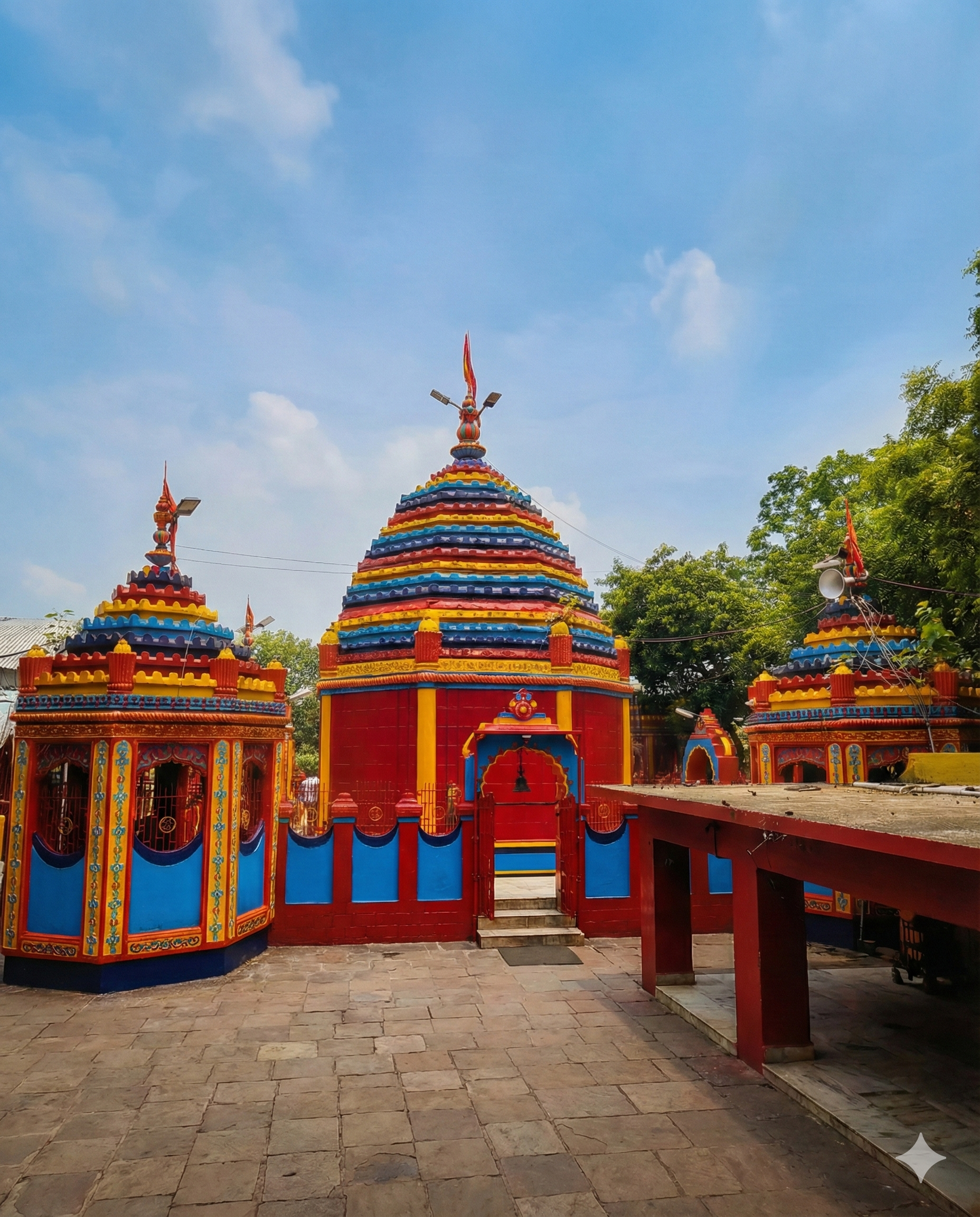
A Sacred Temple of Maa Shakti
Maa Chhinnamastika Temple, located at Rajrappa in Jharkhand’s Ramgarh district, is one of the most respected temples dedicated to the Divine Mother. The temple is devoted to Maa Chhinnamastika, a powerful form of Goddess Shakti and one of the ten Mahavidyas in Hindu tradition. Devotees from Jharkhand, Bihar, West Bengal, and many other parts of India visit this holy place to seek blessings, strength, and protection.
The Unique Idol of Maa Chhinnamastika
The idol of Maa Chhinnamastika is rare and deeply symbolic. The goddess is shown standing on a lotus while holding her own severed head in one hand and a sword in the other. From her neck flow three streams of blood—one entering her own mouth and the other two feeding her attendants, Dakini and Varini. Beneath her feet lie Kamadeva and Rati, symbolizing the control of desires and the power of spiritual awakening. This form represents sacrifice, divine energy, and the cycle of life.
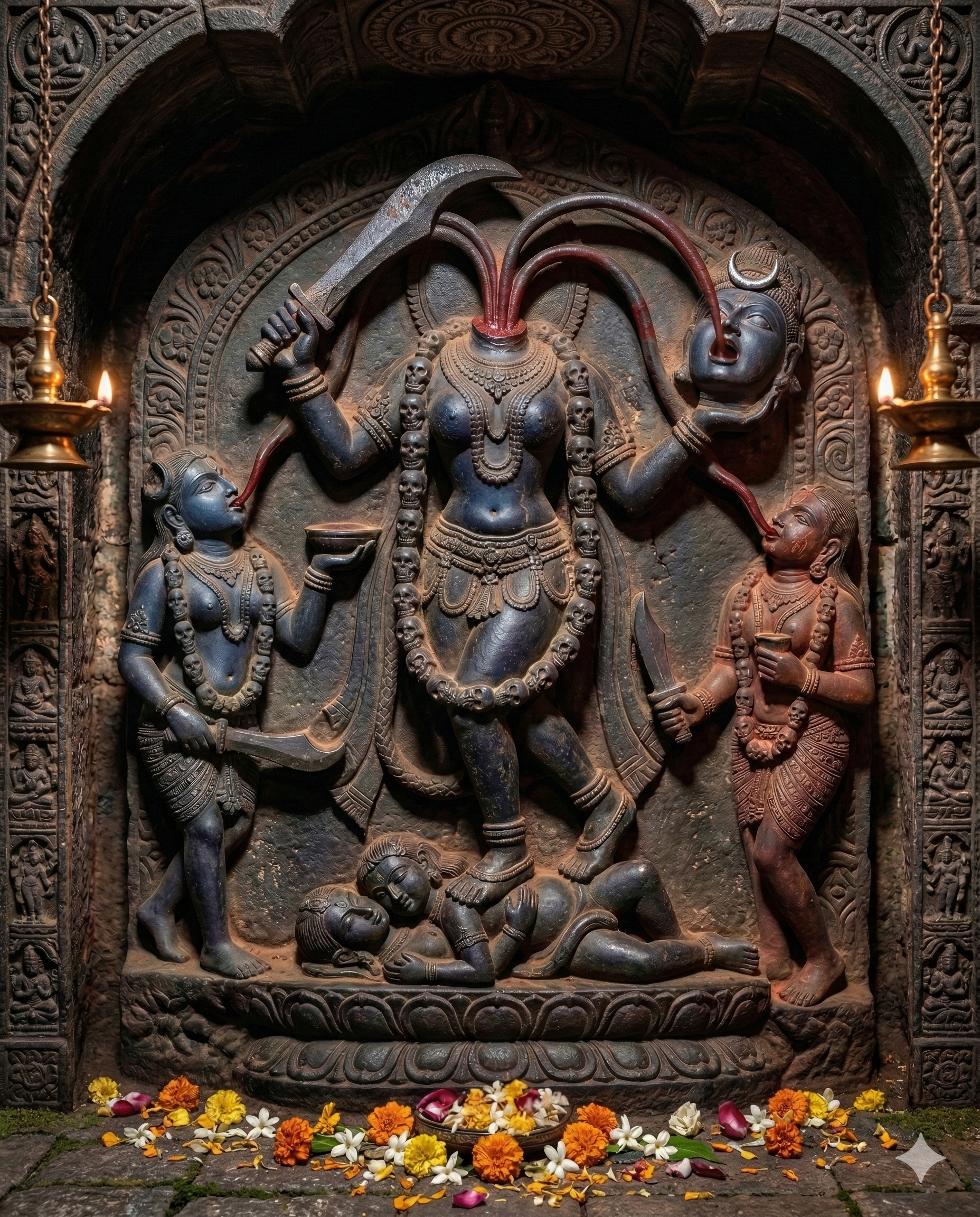
The idol of Maa Chinnamastika at Rajrappa is considered a living embodiment of Shakti, drawing thousands of seekers every month.
A Temple with Ancient Roots
The exact age of the temple is not clearly known. Some people believe it is around 6000 years old, while others consider it even more ancient. According to local beliefs, this sacred place was a site of worship long before the present temple structure was built. Saints, tantric practitioners, and tribal communities are believed to have prayed to Maa here for centuries, making the place spiritually powerful even before the temple existed.
The Sacred Land of Rajrappa
The temple is situated at Rajrappa where the Damodar and Bhairavi rivers meet. This confluence of rivers is considered highly sacred in Hindu belief. Surrounded by rocky hills, flowing water, and natural beauty, the location creates a peaceful and powerful spiritual atmosphere. The meeting of the rivers adds to the importance of the temple and makes it a special pilgrimage destination.
The Legend Behind Rajrappa Mandir
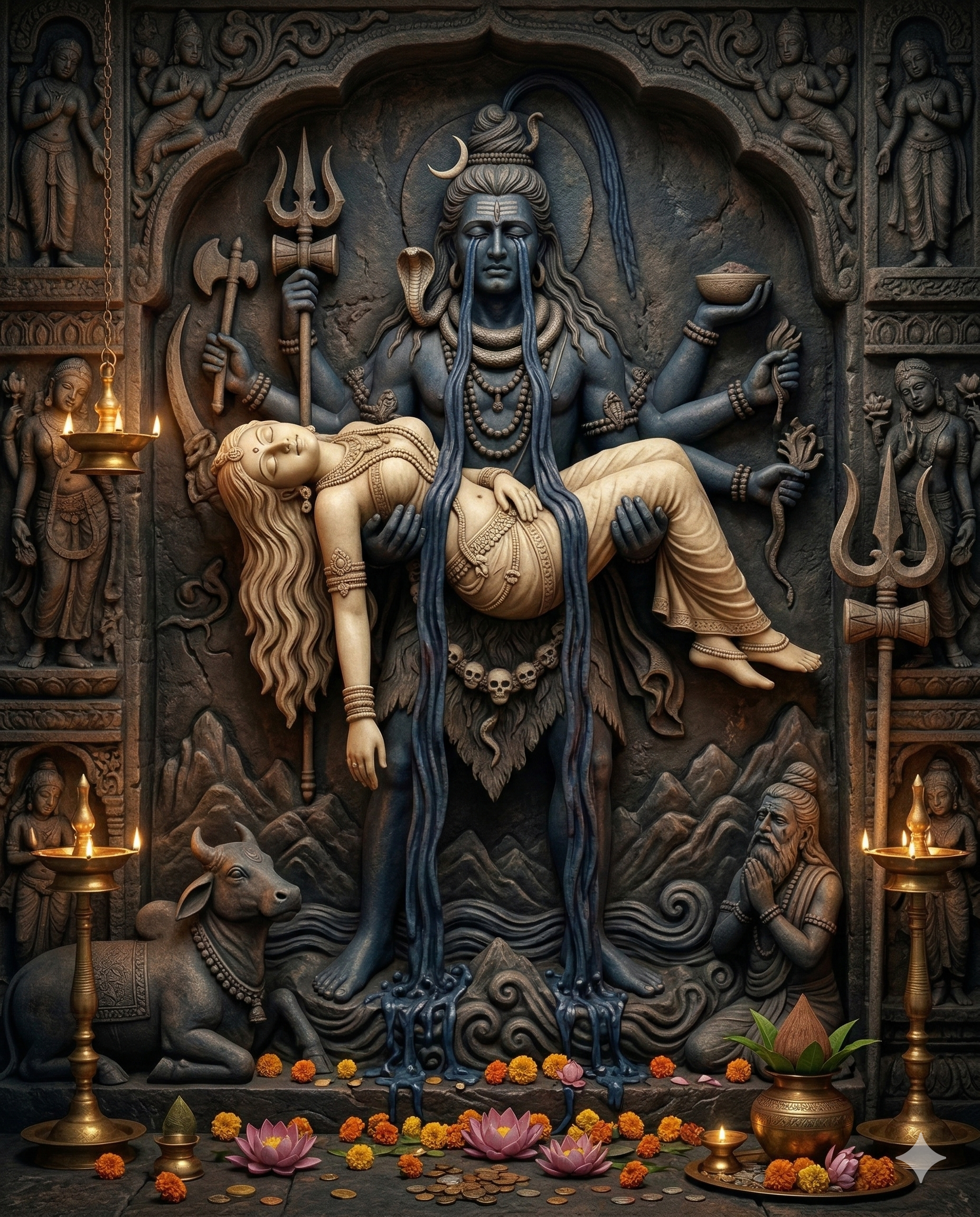
Many legends explain how Rajrappa Mandir became sacred, but the most well-known story is linked to Goddess Sati and Lord Shiva. According to mythology, when Goddess Sati sacrificed herself during her father Daksha’s yajna, Lord Shiva carried her body in deep grief across the universe. To restore cosmic balance, Lord Vishnu used his Sudarshan Chakra to divide her body into many pieces. These pieces fell at different sacred places on Earth, which later became known as Shakti Peeths. Maa Chhinnamastika Temple at Rajrappa is believed to be one such sacred site where a part of the goddess fell.
Ancient Rituals and Sacred Practices
Rajrappa Mandir is known for its ancient rituals that have been followed for generations. Devotees visit the temple to offer prayers for power, prosperity, protection, and fulfillment of wishes. A significant traditional practice at the temple is the daily ritual offering known as “bali.” Every day, goats (Bakra) are offered as part of this ritual, symbolizing the surrender of ego, negativity, and worldly attachments before the powerful energy of Maa Chhinnamastika.
Faith, Devotion, and Devotees’ Experiences
For many devotees, visiting Rajrappa Mandir is a deeply spiritual experience. People believe that sincere prayers offered to Maa Chhinnamastika are heard quickly. Devotees come here seeking solutions to personal problems, health issues, family matters, and success in life. Many visitors share stories of unexpected blessings, recovery from difficulties, and a sense of peace after praying at the temple. These experiences continue to strengthen the deep faith associated with this sacred place.
Pooja & Rituals
Daily Aarti
Morning and evening prayers are conducted daily.
Mundan
First hair-cutting ceremony for children.
Marriage
A popular destination for sacred Hindu marriages.
Vehicle Puja
Blessing of new vehicles.
Visitor Info
Temple Timings
Summer: 4:00 AM – 10:00 PM
Winter: 5:30 AM – 9:30 PM
Main Festivals
How to Reach
By Road: 28 km from Ramgarh, 80 km from Ranchi, 60 km from Bokaro, 75 km from Hazaribagh.
By Train: Ramgarh Cantt or Ranchi Junction.